

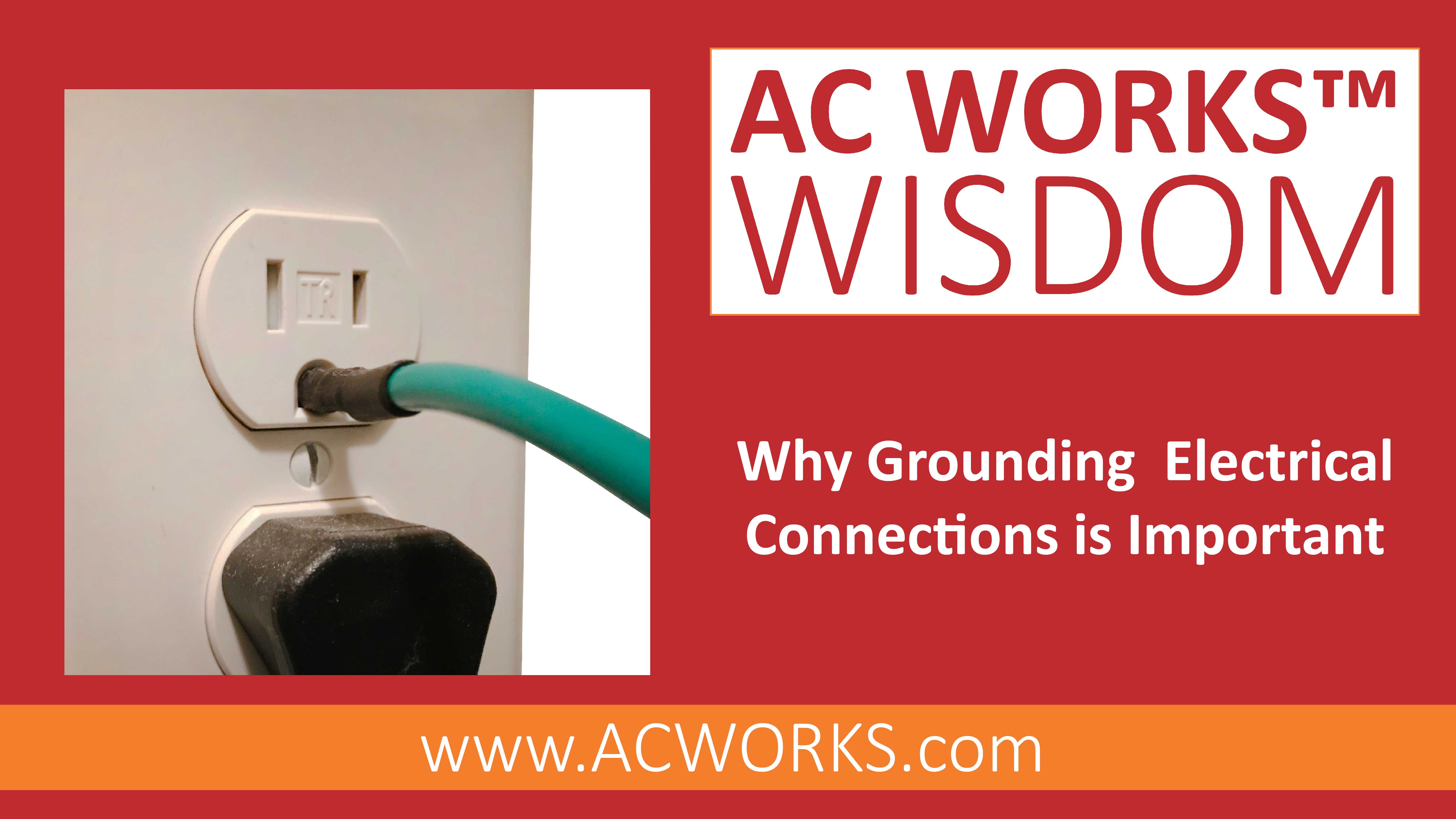
There are many times when using electrical equipment that you may ask yourself, why does this need to be grounded? What is grounding? Why did my electrical equipment or adapter come with a green wire?
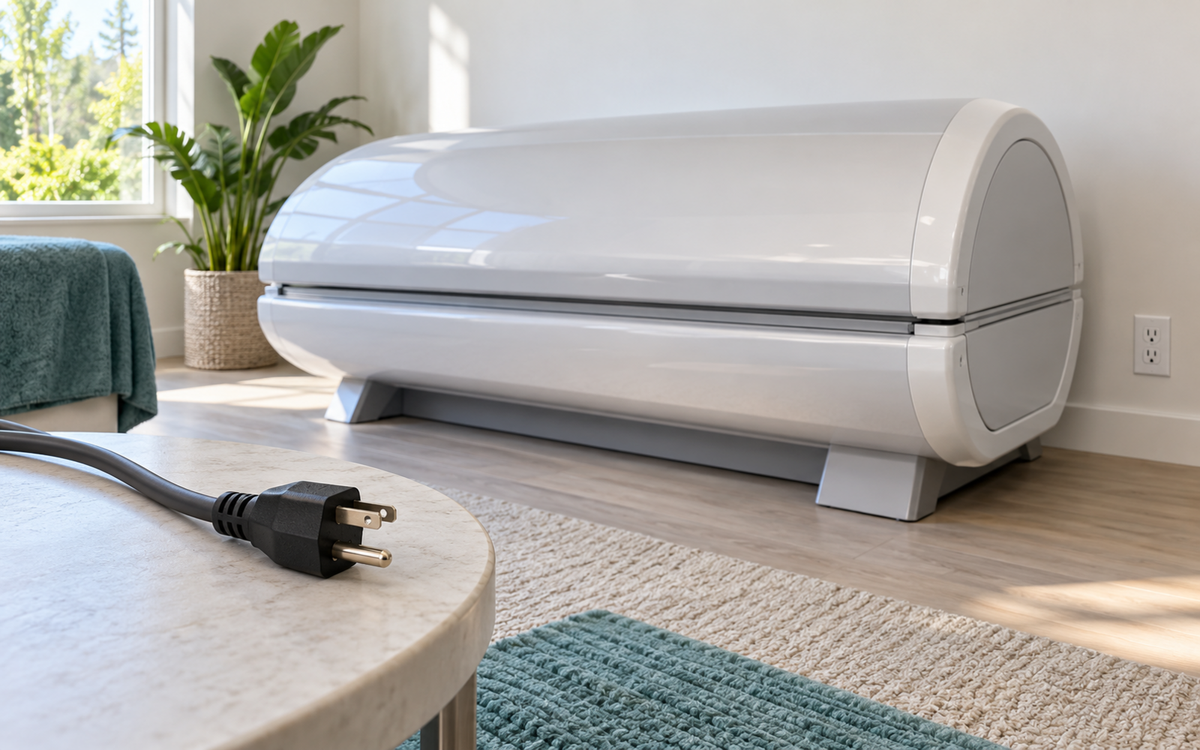
Grounding is the common point of return for an electrical current. It is in place as a safety measure to prevent harm to the user if there happens to be a fault. In your home, the grounding connection is easily identified as the U-shaped round hole in a regular household outlet.
If you have a home that was built prior to 1969, you’ll most likely have a home filled with outlets without the grounding terminal. That may make it tricky to use electronics around the home now that the 3-prong system is the norm. There are adapters out there to help with that, but there has been much debate about their safety and usage since they were invented. Yes, they are safe. BUT, you have to take the necessary steps to make them safe.
This video will show you how to ground a 2-prong to a 3-prong household adapter. It will also discuss the importance of grounding and where else you can see grounding differences in your home.

AC Connectors strives to provide power solutions to its customers since its founding in 2015. From our headquarters (Oak Creek, Wisconsin, USA), we provide solutions worldwide and work efficiently to ship our AC WORKS® brand products out quickly, especially to those struck by natural disasters.
Share:
Download: Emergency Back-up Power Info Sheet
Download: Spring Product Sheet