


With just 7 weeks until 2018 is behind us try to think about the electrically related tax write-offs you will want to take advantage of. Don’t wait until the last minute and miss the opportunity for a tax incentive or deduction.
Electric Vehicle Incentives:
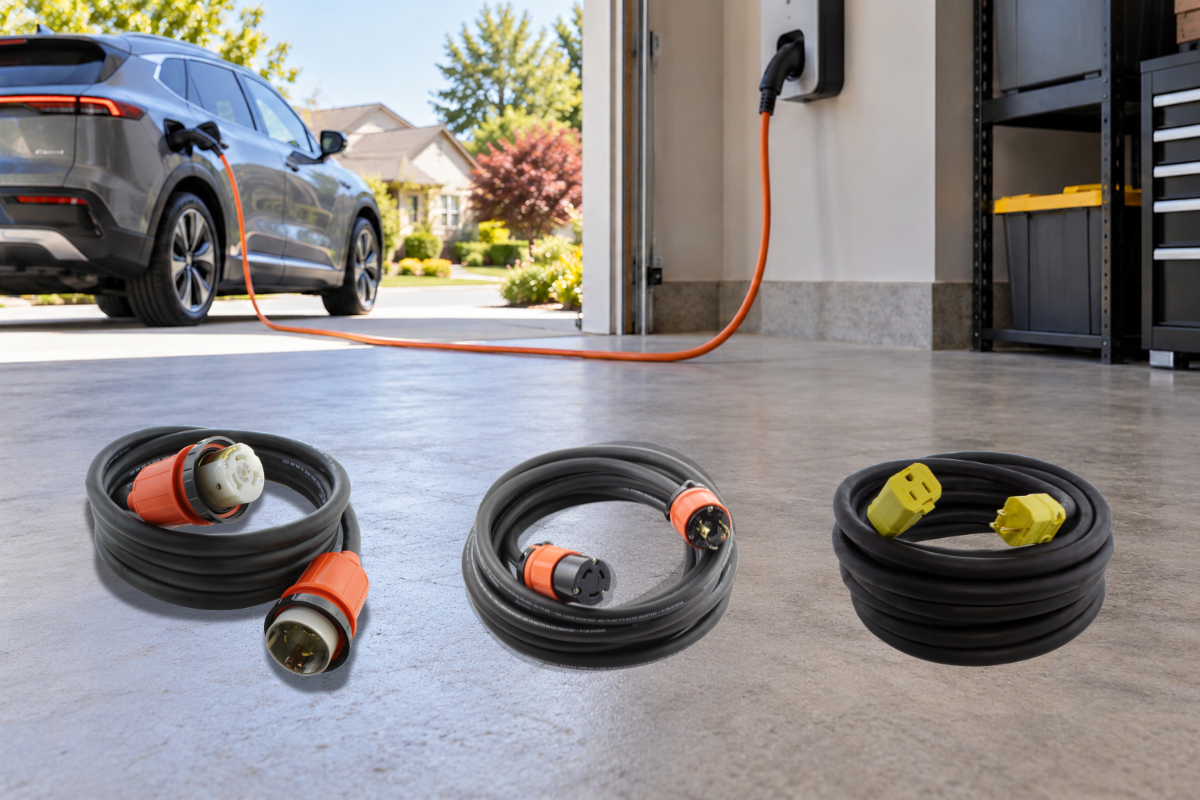
The Qualified Plug-in Electric Drive Motor Vehicle Tax Credit (LINK: https://www.irs.gov/forms-pubs/about-form-8936) is the United States incentive program for electric vehicles. This program qualifies you for a tax credit worth up to $7500 with the purchase of a qualifying new electric vehicle in 2018. There are specific criteria you will be required to meet in order to qualify for the tax credit. An income-tax credit is taken when the electric vehicle buyer files their U.S. income tax return for the 2018 year in which you purchased the car. Click here to learn more about when electric vehicle tax credits will expire.
Residential Energy Efficient Property Credit:
This credit is available to you if you made energy-saving home improvements. This credit is worth up to 30 percent of the total cost you spent installing renewable energy sources in your house. You can claim this credit on your residences and newly constructed homes. If you own the home and it is not your primary residence it qualifies but rental properties do not. To learn more about this tax credit visit the IRS.
Tax Deductions for Electricians:
As an electrician, you will find yourself having work-related expenses. Things like equipment used on the job will cost you money from your own pocket. There are tax deductions you can claim for work-related expenses. If you are an employee the Schedule A deduction is what you will need and if you are a self-employed subcontractor you will need Schedule C to determine your business income and expenses for deductions. The job-related purchases you will likely make can include equipment, uniforms/clothing, a home office, learning/education, business insurance, dues, and more.
If you think you can benefit from a government tax incentive contact your tax advisor or visit the IRS website to learn more about what will qualify for 2018.

Share:
How to Prep your House for the Winter
Adding a Threaded Ring to Your Power Connection Adapters