

Why You Can’t Power 220-Volt Appliances with a Standard Plug
High-voltage equipment causes plenty of confusion when homeowners attempt to power heavy-duty appliances using a standard household setup. Many people wonder if simple plug adapters can safely bridge the gap when attempting to hook up a 220 volt connection to a lower voltage plug. Our technical team gets constant questions about trying to run heaters, air conditioners, dryers, and cooking equipment off a basic 110 volt outlet, so we decided to put these setups to the test.
Testing Small 220-Volt Appliances on Regular Outlets
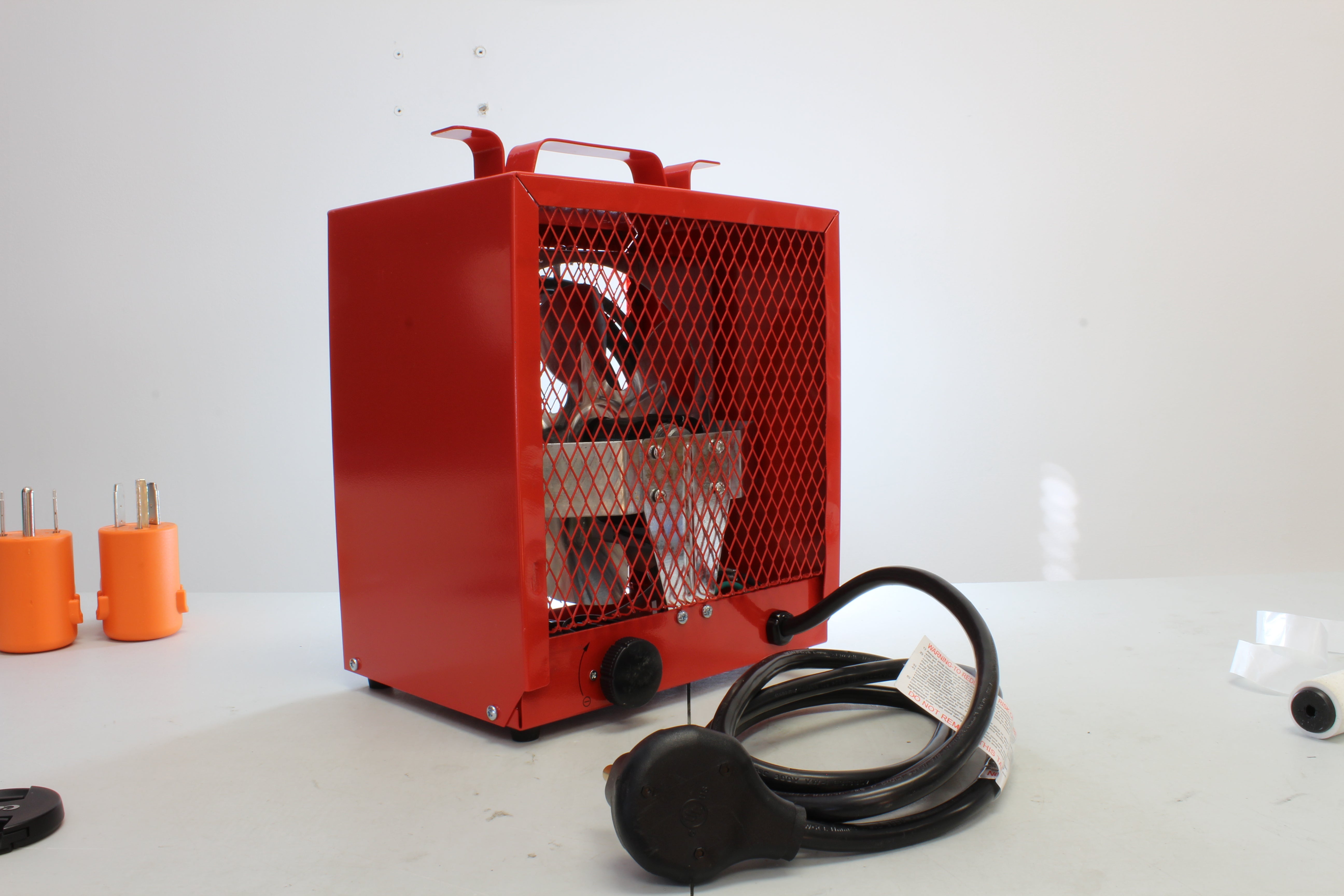
Plugging a smaller heater featuring a NEMA 6-20 plug into a typical 110 volt outlet using a makeshift adapter immediately reveals the problem. The internal fan turns sluggishly, and the heating element fails to produce any warmth at all because the unit isn't receiving a true 220 volt connection.
Now, use that same unit in a proper 220 volt connection. Using the flanged power inlet, one of our popular products [ASIN620P-WC] featured below, the heating element kicks in right away and performance returns to normal. The appliance simply cannot function as intended without receiving its required voltage level.
IMAGE OF ASIN620P-WC:

The Reality of Adapting Large Heating Units
Larger appliances with a NEMA 6-30 plug exhibit the exact same issue when hooked up to low-voltage power sources. Cheap market adapters might physically connect the prongs, but they fail to deliver actual heat or reliable air movement.
We tested these larger units using an actual 220 volt connection, like our 30A power input inlet [ASINL630P], you can instantly hear the motor reach full speed as the coils generate full power. Skipping the proper electrical setup leaves your equipment running as nothing more than an expensive, weak fan.
IMAGE OF ASINL630P:

Avoiding Common Adapter Hazards with Heavy Equipment
Trying to force high-power equipment like dryers or shop tools to run off a household plug leads to total disappointment across the board. You might see a small indicator light turn on, but the internal motors will drag and the overall device will fail to operate safely.
Saving yourself time and potential safety hazards means skipping cheap quick-fixes entirely. Always ensure your workspace has a dedicated power source built for the specific amp and voltage demands of your heavy equipment.
Skipping the temptation to use incorrect power sources will keep your valuable appliances running safely for years to come. Make sure your heavy machinery is always plugged into the correct outlet specified by the manufacturer. Be sure to check out the rest of our blogs for more info on electrical safety, wiring setups, and equipment power solutions!
-
Voltage dictates power: A 220-volt heating element or high-power motor requires a dual-hot power supply to produce heat or reach operating speed.
-
Physical fit isn't functional fit: Adapter plugs only bypass physical prong shape mismatch—they cannot transform 110-volt supply into 220-volt output.
-
Signs of undervoltage: Sluggish fan blades, faint indicator lights, and zero heat output are immediate indicators of underpowering.
-
Safety first: Running 220-volt motors under sustained low-voltage conditions risks burning out internal electrical components.
Frequently Asked Questions
What happens to a 220-volt motor when plugged into 110 volts?
The motor turns very slowly, draws improper current, and risks overheating due to excessive electrical resistance.
Are there safe adapter options for my 220-volt appliances?
Yes, but only adapters meant for plugging 220-volt devices into alternative high-voltage sources (like generator or dryer receptacles), not standard wall outlets.
How can I install a proper connection for my high-voltage equipment?
Have a licensed electrician install a dedicated two-pole breaker and matching NEMA receptacle in your main panel.
Why did my EV charger adapter work on 110 volts when my heater didn't?
Electric vehicle chargers contain internal detection logic that scales down charging speeds based on incoming voltage, whereas resistive heaters require full voltage to function.
Share:
The Problem With Voltage Converters
What's the Difference Between NEMA L5-30 and L6-30 Connections?