

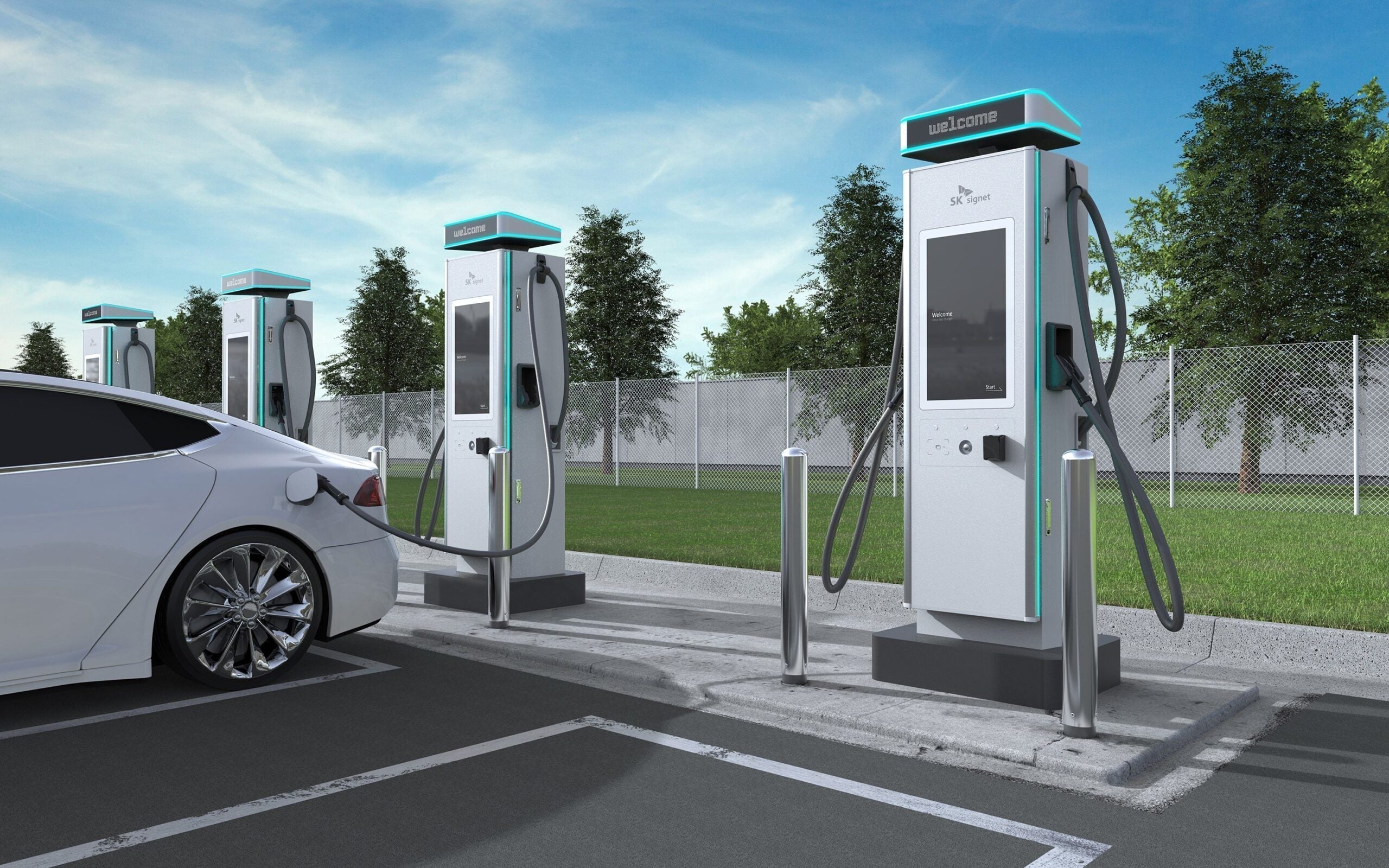
Electric vehicles (EVs) have transformed the way we drive, but charging can still feel like a challenge. Different stations, different plugs, and limited access create range anxiety for drivers who just want to hit the road without worrying about where to stop next.
That’s where AC WORKS® comes in. With our NACS to CCS1 Adapter and CCS1 to NACS Adapter, you can create your own Super Charge Anywhere Kit. Compact, road-ready, and built for fast charging, these adapters let you power up across the largest charging networks in North America.
Why You Need a Charge Anywhere Kit
EV charging stations don’t all use the same connector. Tesla drivers often rely on the NACS standard, while most other EVs use CCS1. Without the right adapter, you could be stuck waiting or driving out of your way to find a compatible charger.
The solution? Add a ACWORKS Supercharger Adapter in your glovebox. With them, you can charge at Tesla Superchargers and CCS fast-charging networks like Electrify America or EVgo. More stations mean more freedom, and less waiting.
Adapter 1: NACS → CCS1 (Tesla Superchargers for CCS1 Vehicles)
If you drive a non-Tesla EV, the NACS to CCS1 Adapter lets you plug directly into Tesla Superchargers. That means access to one of the most reliable and widespread charging networks in the country.

Key Features:
-
Supports DC fast charging only
-
Rated up to 500A / 1000V
-
Compact and easy to store in your vehicle
-
Backed by AC WORKS® 1-Year Warranty
👉 Shop the NACS to CCS1 Adapter here
Adapter 2: CCS1 → NACS (CCS Stations for Tesla Drivers)
Tesla owners can use the CCS1 to NACS Adapter to charge at CCS Combo-1 stations. Whether you’re traveling through a city or out on the highway, this adapter unlocks thousands of extra charging locations.

Key Features:
-
Supports up to 200A / 150kW
-
Built-in thermal protection
-
Compatible with most Tesla vehicles built after 2020
-
Works with major CCS networks like Electrify America and EVgo
👉 Shop the CCS1 to NACS Adapter here
Important Compatibility Notes
-
These adapters are designed for DC fast charging only. NOT for Level 1 or Level 2 AC charging.
-
Some EVs may require a software update from the manufacturer to enable Tesla Supercharger compatibility.
-
Tesla drivers can confirm CCS adapter support by checking their touchscreen: Software → Additional Vehicle Information → “CCS adapter support: enabled.”
-
As a general rule, these adapters are best suited for 2020 and newer vehicles. If your EV was built before 2020, check for a manufacturer retrofit.
Why AC WORKS®?
At AC WORKS®, we specialize in high-quality, reliable electrical adapters designed to keep you connected and moving. Our EV charging adapters are rugged, compact, and backed by a 1-year warranty, so you can travel with confidence.
When you’re on the road, the last thing you want is range anxiety. By carrying the NACS to CCS1 or CCS1 to NACS adapter for your use case, will ensure that you always have access to the charging network you need...wherever you go.
Final Thoughts: Don’t Get Stuck. Charge Anywhere.
EV ownership should be simple, flexible, and stress-free. With the AC WORKS® Charge Anywhere Kit in your vehicle, you’ll have the freedom to plug in at Tesla Superchargers, CCS fast chargers, and beyond.

Share:
Can One Outlet Run Both 120V and 240V?
Powering the Future of AI Data Centers with ACWORKS Extension Cords