

Understanding your electrical connections can sometimes feel overwhelming, especially with so many different NEMA plug and connector configurations. It’s easy to feel lost when connections look similar but have completely different ratings.
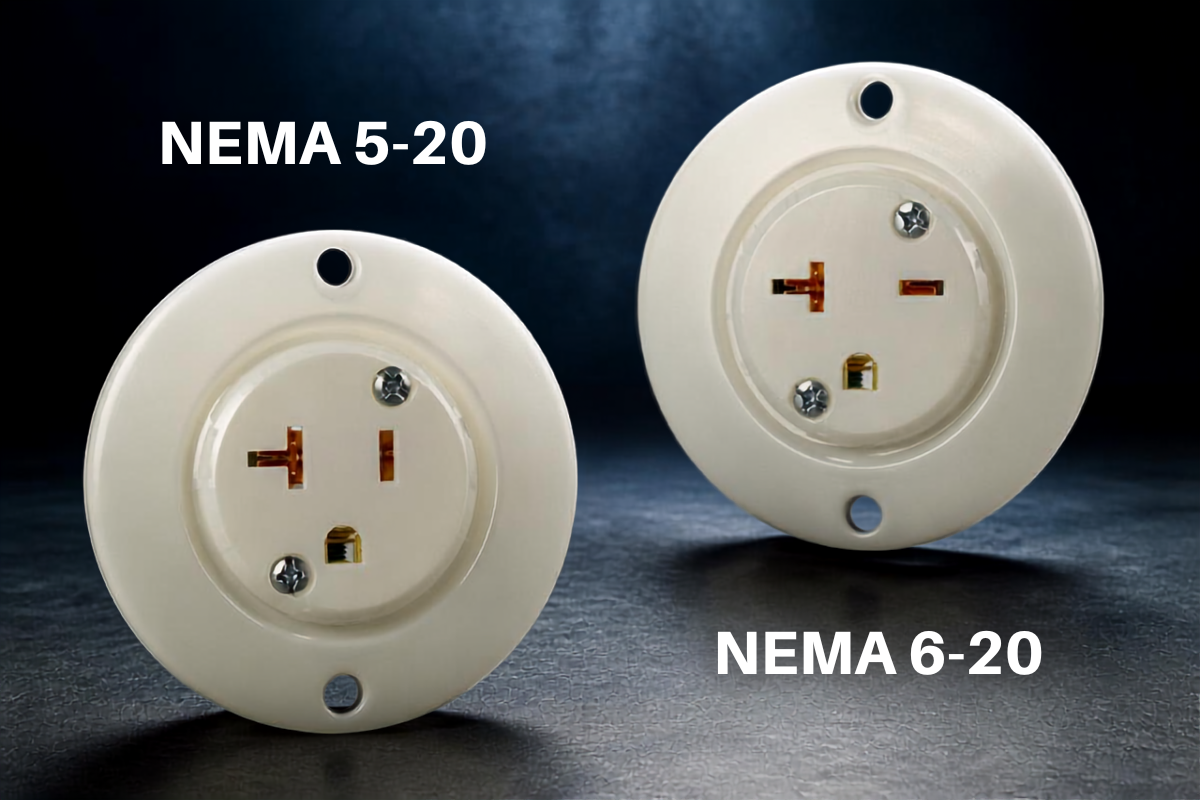
Most plugs and outlets have their NEMA configurations labeled right on them. For example, if you look at your generator, RV, or marine power post, you might see configurations like NEMA L14-30, NEMA TT-30, and NEMA 5-20. These labels are your first clue to finding the right adapter or cord.

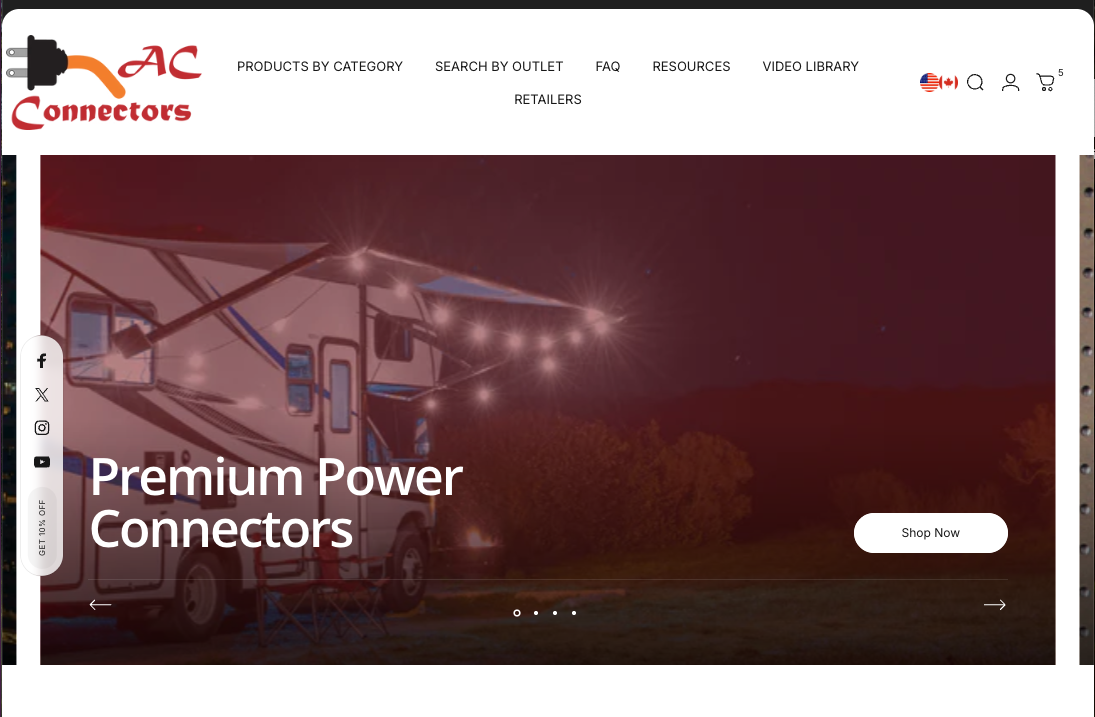
If you're struggling to identify your NEMA configuration, we've got you covered. Our few resources include our Search by Outlet page where you can select the outlet you have and search for the adapter you need.
On this page you can identify the outlet you need by photo then choose if you’d like to see products with this male or female end.

Using the Search Bar
If you want to get more specific and you know exactly what you want on both ends of your adapter you can find your product by using the search bar.
Let’s walk through a common scenario: adapting from an L14-30 outlet on your generator to an L14-20 inlet you may have installed. Here’s how you can find the right adapter:
-
Identify the Male End Power Source Configuration that you need: in this case it is L14-30.
-
Identify the Female End Power Input Configuration: which would be L14-20.
-
In the search enter combined configuration numbers into the search bar L1430L1420 This will show you the available adapters that match your needs.

For this example, you’ll find options like the ADL1430L1420 compact adapter or the L1430L1420-018 flexible adapter, perfect for your generator setup.

The same goes for straight end plugs as well. Let’s say you’re looking to convert your electric dryer to a gas dryer. You would be converting your NEMA 14-30 dryer outlet to a NEMA 5-20.
For this you would input 1430520 in the search bar.
We hope this quick guide helps you find the reliable AC WORKS power solution that you need.
Like this video and subscribe to our YouTube channel for more tips, tricks, and product insights to keep your adventures powered up.

Share:
DIY Electrical Wiring: Properly Align Your Plugs and Connectors Like a Pro!
Limitations of Welder Outlets 10-50 and 6-50